How to inspect a car before you buy

Buying a used car can turn out to be a smart investment or a source of serious problems if you don't prepare properly. A pre-purchase car inspection is a critical step that helps you avoid risks and unpleasant surprises. Many cars have hidden defects that aren't always visible at first glance. With a thorough inspection, however, you can assess the car's real condition and make sure its legal status is clean. Don't skip this step: it's your key to a safe and successful purchase.

Why is it important to inspect a car before buying?
A pre-purchase car inspection is not just a formality but an essential step that can protect you from serious problems down the road. A car may look good on the outside, yet many defects hide inside. That's why it's important to check its technical condition, so you avoid unexpected repair bills or unpleasant situations on the road.
Carrying out a used car inspection isn't as easy as it may seem at first. You need not only to check its technical condition but also to learn more about its history. Many vehicles have accident damage, or their mileage has been artificially reduced. This process lets you make sure the car has no hidden problems that could affect how it serves you later.
The importance of a car inspection can't be overstated. It ensures you're not only buying a safe car but also making a sound investment. If you don't know how to inspect a car before buying, it's best to turn to professionals or carry out a detailed inspection yourself, so the purchase doesn't become an unpleasant surprise.
The main stages of a pre-purchase car inspection
A pre-purchase car inspection consists of several important stages, each of which helps establish the vehicle's real condition. Each of these steps deserves careful attention if you want to avoid defects or hidden problems. A vehicle inspection will help you make a safe and sound purchase. Let's look at a few important points:
- Exterior check. Assess the condition of the body and check the paintwork for damage or repaired areas. Look closely at the seams and panel joints, since any mismatch may indicate the car has been in an accident. Check the tires too: their condition can reveal wear or problems with the suspension.
- Checking the car for defects. Inspect the technical systems: engine, transmission, suspension and brakes. Listen for unusual noises and look for leaks or system faults. This helps you uncover serious defects that may need immediate repair.
- Interior check. Pay attention to the condition of the seats, the instruments and the interior as a whole. It's also important to check the air conditioning, the electrical equipment and the safety systems. Don't forget to check for unusual smells, which may point to problems with the car.
- Document check. Make sure all the car's documents are in order: registration certificate, service book, insurance policy. Check the car's history to find out about any accidents or outstanding debts. This helps you avoid legal problems in the future.
- Technical diagnostics. Use professional tools or take the car to a service center for a detailed inspection. This shows precisely whether there are hidden defects that are hard to find on your own. Computer diagnostics give you complete information on the state of the electronic systems.
Each of these stages gives you confidence in the quality and reliability of the vehicle you're about to buy. Inspecting the car at every level helps you avoid unexpected repair costs and keeps you safe on the road. We'll go through these stages in more detail below.
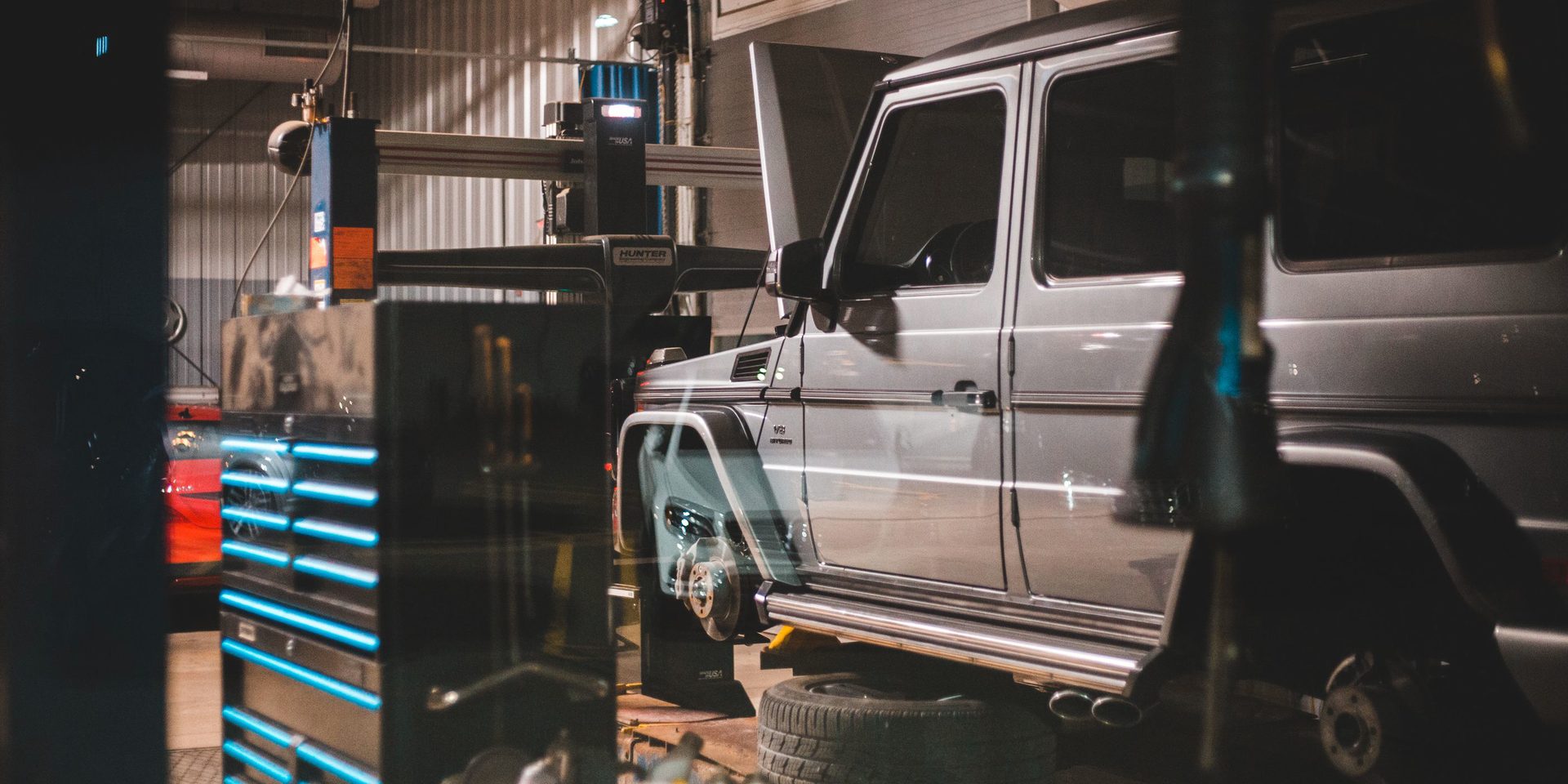
Checking a car's technical condition: what you should know
Good technical condition is the key to a successful purchase and trouble-free ownership. A pre-purchase inspection starts with the engine, because it's the heart of the car. It should run smoothly, without strange noises, vibration or smoke from the exhaust. Any oil or other fluid leaks under the hood may point to serious problems, such as worn seals or gaskets. It's also important to check that the engine starts easily both cold and hot: trouble here can be a sign of a worn starter or ignition system.
The braking system is one of the most important parts of a car, and it directly affects your safety. Checking for defects in the brakes should include an inspection of the brake discs, pads and hoses. Take a test drive to make sure the brakes respond instantly, without delay or jerking, and that the pedal doesn't sink when you press it. Vibration under braking may indicate worn or unevenly worn brake discs.
The condition of the suspension is critical for comfortable and safe driving. The suspension should work without strange sounds: knocks or squeaks may indicate worn shock absorbers, ball joints or other components. During the inspection, check whether the tires are wearing evenly, since uneven wear may point to problems with the suspension geometry or the steering. Inspecting the running gear on a lift reveals hidden defects such as cracks or damaged parts.
Checking a car's mileage: how to avoid being cheated
Checking a car's mileage is a critically important step before buying a used car. Rolling back the odometer is one of the most common scams, and it can hide the car's real wear. To avoid being cheated, start by checking the car's history in dedicated databases that keep records of past inspections and mileage readings.
Also look for visible signs of wear that may not match the stated mileage. For example, a heavily worn interior, pedals or steering wheel may mean the car has covered far more kilometers than the odometer shows. A pre-purchase car inspection should also include a close look at other parts, which helps reveal possible inconsistencies.
If you're still not sure how to check the mileage, contact the official dealer or service center that serviced the car. They have access to accurate maintenance records and real mileage readings, which will help you confirm the data and avoid fraud.
Checking the documents and the car's legal status
Before you buy a car, it's important to check its legal status, because problems with the documents can lead to serious difficulties later on. Checking the car for a seizure order should be one of your first steps, since a ban on its sale or use can seriously affect your purchase.
Checking a car by its license plate is a convenient way to learn more about the vehicle. The plate number can tell you whether the car has been in accidents, has unpaid fines or has been listed as wanted. This gives you access to important information that can influence your decision to buy.
Just as important is a VIN check, which gives you detailed information on the car's history, including all previous owners, major repairs and changes to its specifications. The VIN gives you the full picture of the car's condition, helping you avoid hidden problems and make a safe purchase.
Once you've checked the car for seizure orders and reviewed its history by plate number and VIN, it's also important to do a final check of the car to make sure all the documents match its actual condition. This means comparing the information in the documents with the real data, such as the VIN, model year and specifications. This check helps you avoid discrepancies and gives you confidence that your purchase is sound.
What to look for when buying a car from a private seller
Buying a car from a private seller can be a good deal, but it also comes with risks. It's important to inspect the car carefully so you don't end up with hidden defects. A pre-purchase car inspection is a must if you want to avoid unexpected costs.
Body condition
The body is the first thing to inspect when buying a car. Look for signs of corrosion, scratches, dents or repaired parts that may indicate an accident. It's also important to check the paintwork for color mismatches, which may point to repainted panels. All of this helps you judge whether the car has had serious damage in the past.
Interior condition
The interior deserves attention too. Heavy wear on the seats, steering wheel or pedals may be a sign of intensive use that doesn't always match the stated mileage. Check that all the electrical equipment works: air conditioning, windows, mirrors and the infotainment system. A well-kept interior shows that the previous owner looked after the car.
Hidden defects
Not all defects are visible at first glance. The suspension, brakes and engine may have problems that a quick look won't reveal. That's why it's best to order a car inspection at a service center, where specialized equipment can uncover hidden faults. A professional car inspection will save you time and money in the future.
Terms of sale
Check the car's documents to make sure it isn't under a seizure order or pledged as collateral. Read the sale contract carefully and clarify every detail, including any warranties or the option to return the car if defects are found. Agree on the payment and handover terms to avoid misunderstandings. Only then can you go ahead with the purchase with confidence.
Of course, that's far from everything to look for when buying a car from a private seller. On your own, it's easy to miss important details or hidden defects. That's why it's better to turn to professionals for a complete and objective assessment of the car.
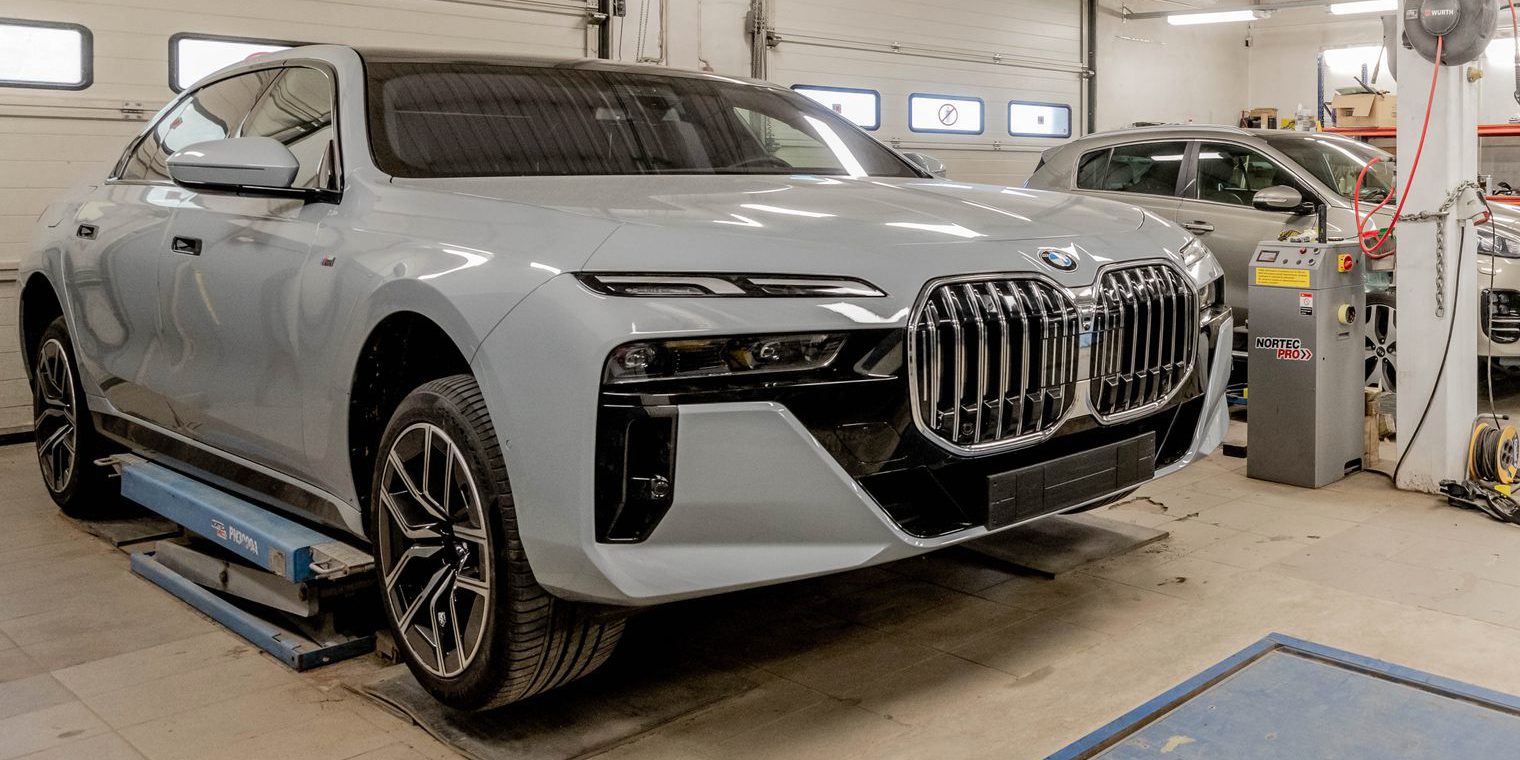
Where can you order a professional car inspection?
If you need a full car inspection before buying, Ukrainian Cars offers a complete range of services for it. Our experts carry out a preliminary inspection of the car anywhere in Ukraine and then prepare a detailed photo and video report. You'll get information on the car's condition, any repainted panels, defects or scratches, and its real mileage, verified through various databases such as CarFax and the Ministry of Internal Affairs database.
In addition, our comprehensive car inspection at a service center includes diagnostics of the suspension, engine and transmission. Our specialists use modern computer diagnostic tools that reveal even hidden problems. This ensures you get a car in excellent technical condition with no unpleasant surprises.
Ukrainian Cars also helps with all the necessary paperwork and negotiates with the seller to bring the price down. We won't just find the best option for you; we'll also help you save on the purchase. The car will be delivered to a place convenient for you from anywhere in Ukraine or Europe.