A loan secured by your car: how it works and when it's better than selling
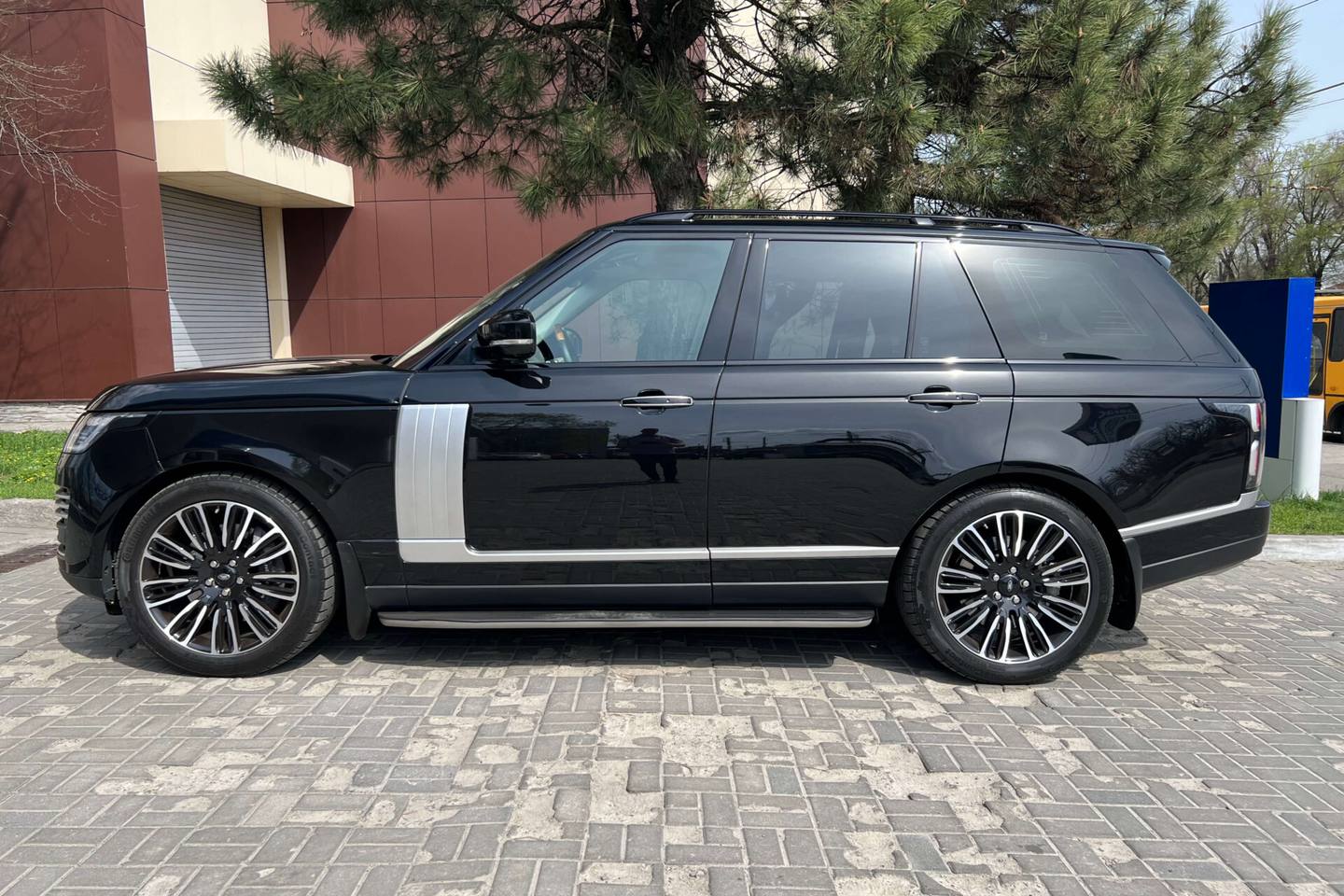
Sometimes you need money here and now, but you don't want to sell your car: you need it every day, or you simply don't want to lose on the price by selling in a hurry. In that situation, you can take out a loan secured by your car, or by a watch or real estate. We explain how it works, what you'll need and when it's a smarter move than selling.
How it works
- Appraisal. You get in touch, and we appraise the car (or the watch, or the property): its market value, condition and documents.
- Terms. We agree on the amount, the term and the repayment conditions. The loan amount depends on the appraised value of the collateral.
- Contract. All the terms — the amount, the term, how the loan is repaid, what happens to the collateral — are set out in writing. No verbal agreements.
- Money. Once the paperwork is done, you receive the funds.
- Repayment. You repay the loan on the agreed terms, and the collateral stays yours.
You can keep driving your car
The key difference from selling: the car remains yours. Depending on the terms of the contract, you can keep using it — to drive to work, take the kids around, do your job. You don't have to look for a buyer, drop the price because you're in a hurry and then buy another car later.
What you'll need
The exact list depends on what you're putting up as collateral, so it's best to check with a manager. Usually you'll need:
- your ID;
- for a car: the car's registration documents and the car itself for inspection;
- for a watch: the watch itself and, if you have them, the box, papers and receipts confirming that it's genuine;
- for real estate: documents confirming your ownership of the property.
The collateral must belong to you and the documents must be in order: both how quickly the loan is arranged and the amount depend on it.
Not just cars: watches and real estate
Collateral doesn't have to be a car. A Swiss watch is a liquid asset whose value depends on the model, condition, authenticity and completeness of the set, so the box and papers really do matter here. Real estate usually allows for larger amounts, but the preparation takes longer: the property documents have to be checked thoroughly. Which collateral to choose depends on how much you need and what's more convenient for you.
When a loan beats selling
- You need the money for a short time. If you know when and from what funds you'll repay the loan, there's no point in selling your car to cover a temporary need.
- You need the car every day. For work or family, being left without a car often costs more than servicing a loan.
- Now is a bad time to sell. An urgent sale almost always means a discount. A loan gives you time to sell later at a fair price, or not to sell at all.
- You don't want to part with it. A watch or a car may be worth more to you than the money.
When it's better to sell
If you're not sure you'll be able to repay on time, or you no longer need the car, a loan will only put off the decision and add costs. In that case, it's more honest to consider selling: a quick buyout, an advance sale (at least 70% of the agreed price right away) or consignment at the market price.
What to watch out for
- read the contract carefully: the amount, the term, the cost of borrowing, the terms of early repayment;
- find out what happens if a payment is late;
- borrow as much as you really need, not the maximum you're offered.
How Ukrainiancars can help
We've been working in Dnipro and Kyiv for 12 years and know the car market well, so we appraise collateral at its real market value. We lend against cars, Swiss watches and real estate, explain all the terms before you sign and set them out in the contract.